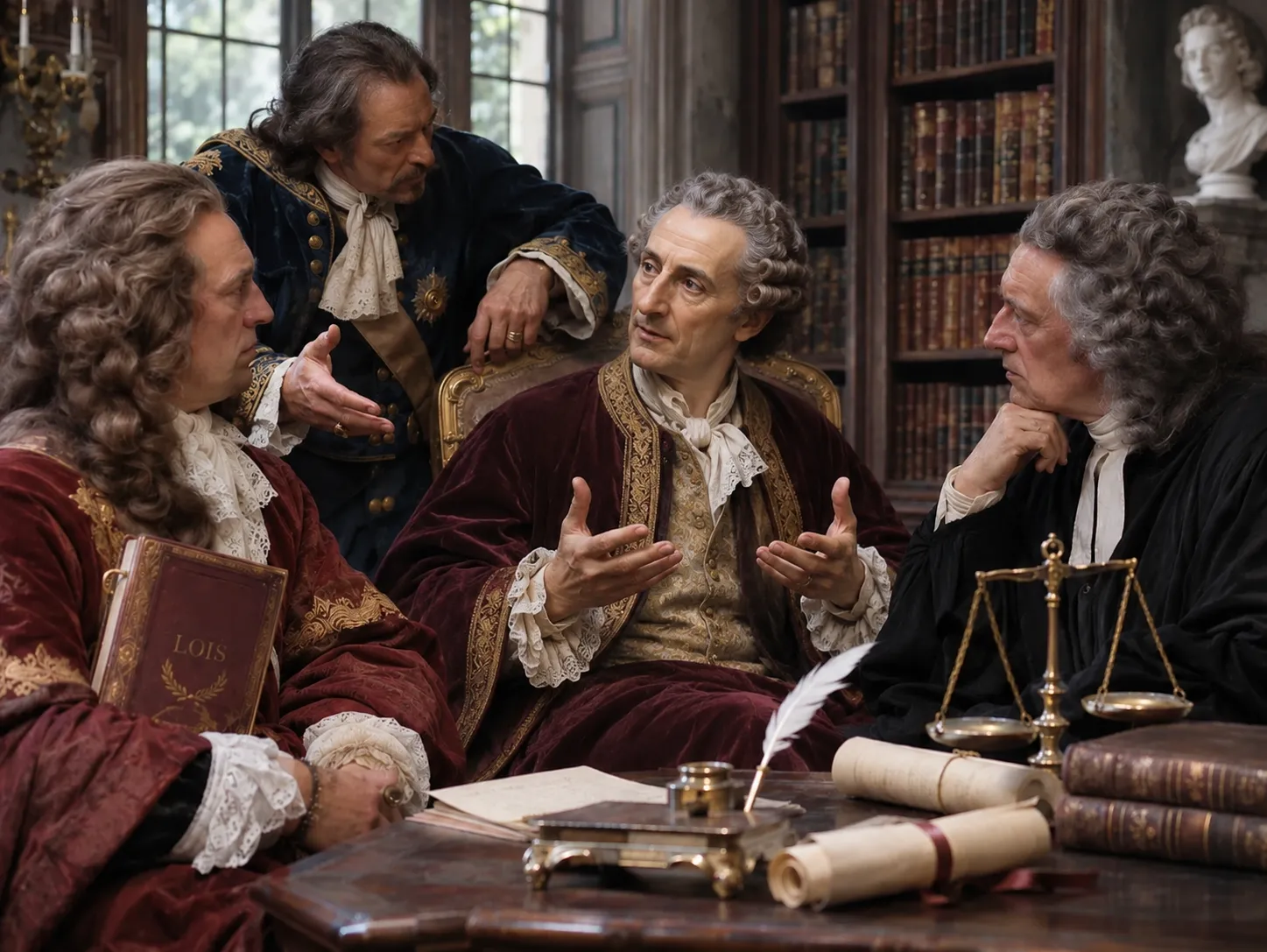
In 1748, David Hume wrote a sentence that sounds like an after-dinner provocation: that the sun will not rise tomorrow is no less intelligible a proposition, and implies no more contradiction, than the affirmation that it will rise. Hume did not doubt that the sun would rise. What he questioned was something else, far more unsettling: on what grounds do we know it?
The obvious answer is that we know because it always has. Hume pointed out the flaw in that reasoning. Moving from “it has always happened” to “it will happen again” requires assuming that the future will resemble the past, and that assumption cannot be proved without appealing once more to past experience, that is, without arguing in a circle. This is what is known as the problem of induction. We have no logical guarantee that the regularities we have observed will continue.
Even so, this did not paralyze him. Hume was a skeptic in theory and highly practical in life. If we go on expecting the sun to rise, he said, it is out of custom, not reason. “Custom, then, is the great guide of human life.” Without this habit of expecting what we have already seen, we would not know how to act. The lesson is not to stop trusting experience, but to remember that it is a bet, not a proof.
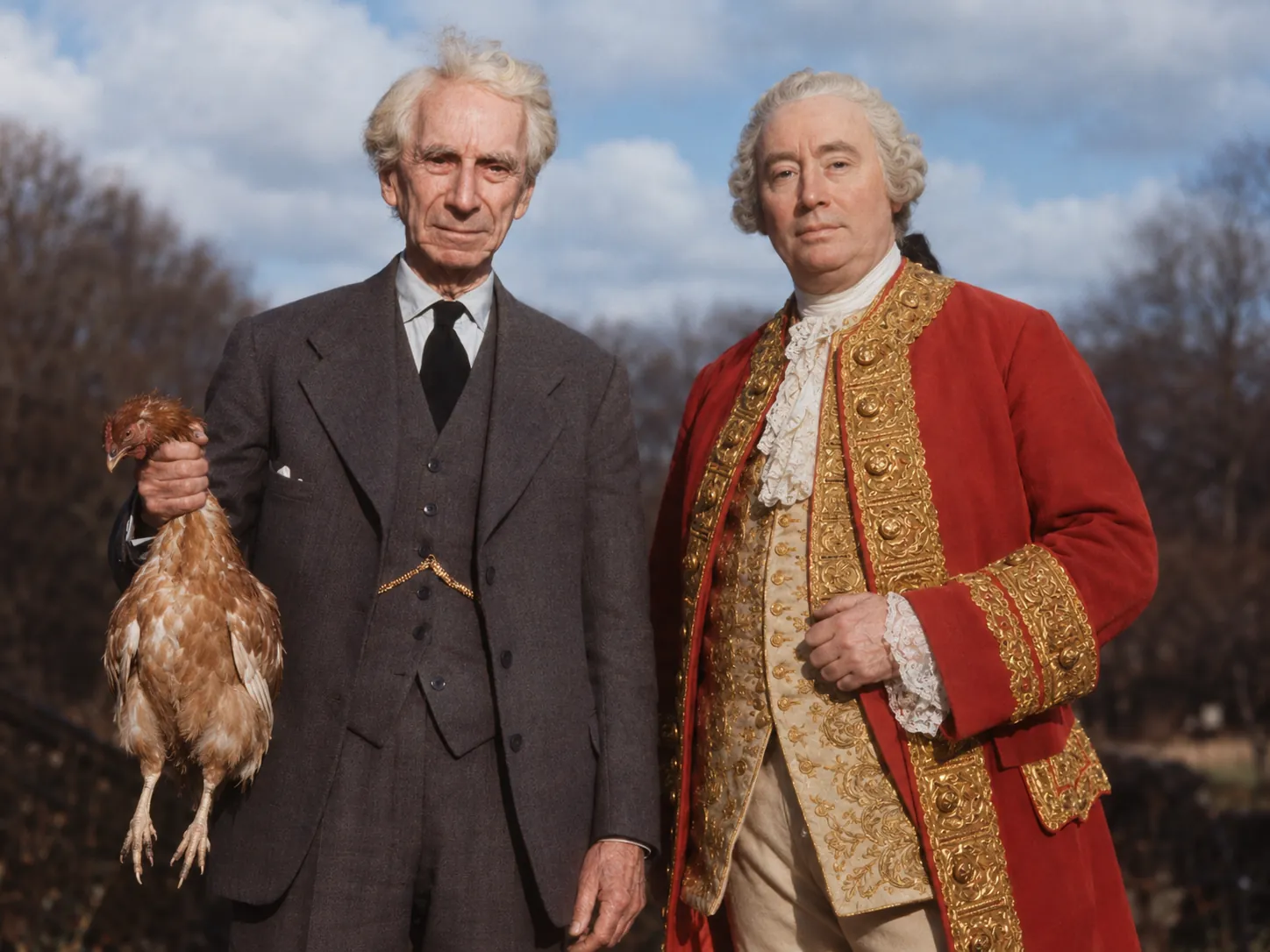
Bertrand Russell illustrated this with a rather cruel example. A chicken fed by the farmer every morning gathers more evidence each day that the farmer’s hand means it well. On the day that hand wrings its neck, the chicken’s data series is longer and more consistent than ever. For centuries Europeans were convinced that all swans were white, until in 1697 a Dutch expedition saw black ones in Australia. A single case was enough to bring the rule down.
This old debate could hardly be more topical. Predictive models and artificial intelligence are, in essence, induction machines. They learn patterns from the past and project them into the future, with a sophistication Hume could not have imagined, but with the same limit. They work extraordinarily well as long as the world resembles the data they were trained on, and they fail, often without warning, when it no longer does. In the spring of 2020, many demand-forecasting models became useless within weeks. They were not badly built. The world had changed its rules.
In business, Russell’s chicken is the company that treats ten years of growth as a law of nature. Budgets are drawn up by extrapolating the trend, strategic plans assume that today’s customers will be tomorrow’s, and the data that pile up breed a confidence in proportion to their volume, not their relevance. Hume would ask a different question: what would have to change for all this to stop being true, and are we watching to see whether it is changing?
In our personal lives, Hume’s custom leads us to expect that our work, our health or our relationships will carry on as they always have, simply because so far they have. We need that confidence in order to live, but it has a downside. It makes us neglect what seems secure, and some things are lost precisely because we took them for granted.
When it comes to learning, Hume teaches us to distinguish between what we know and what we have merely seen many times. Much of what we call professional experience is accumulated induction. It is extremely valuable, and it is what allows us to act quickly. But it is worth asking from time to time whether the conditions in which we acquired it still apply, or whether we are applying the lessons of a world that no longer exists.
We should not idealize doubt, though. If we distrusted every regularity, we would never get out of bed. Hume himself described how, once he left his study, he would dine and play a game of backgammon with friends, and his speculations would then seem cold and ridiculous. Induction is indispensable. What makes it dangerous is not using it, but forgetting that it is provisional. The right attitude is to act on the pattern while watching for the signals that might break it.
This week’s exercise. On a sheet of paper, write down three things you take for granted in your work or your life because “it has always been like this”: a client, a source of income, a routine, a relationship. Next to each one, answer two questions. What specific fact would show that the rule has broken? What small early signal would warn me that it is about to break? If you cannot answer them, you do not have a forecast. You have a habit.
Which data series gives you the most peace of mind right now – and what would happen if, tomorrow, the hand had other intentions?
Sapere aude.